
Textures, Truth, and the Search for Real Materials
Yesterday, I took a trip to London for my first visit to the Surface Design Show—an entire exhibition dedicated to materials, textures, and the art of surfaces. I wasn’t entirely sure what to expect, but I knew it would be a place of discovery, a place to touch, see, and engage with the tangible side of design. And it was.
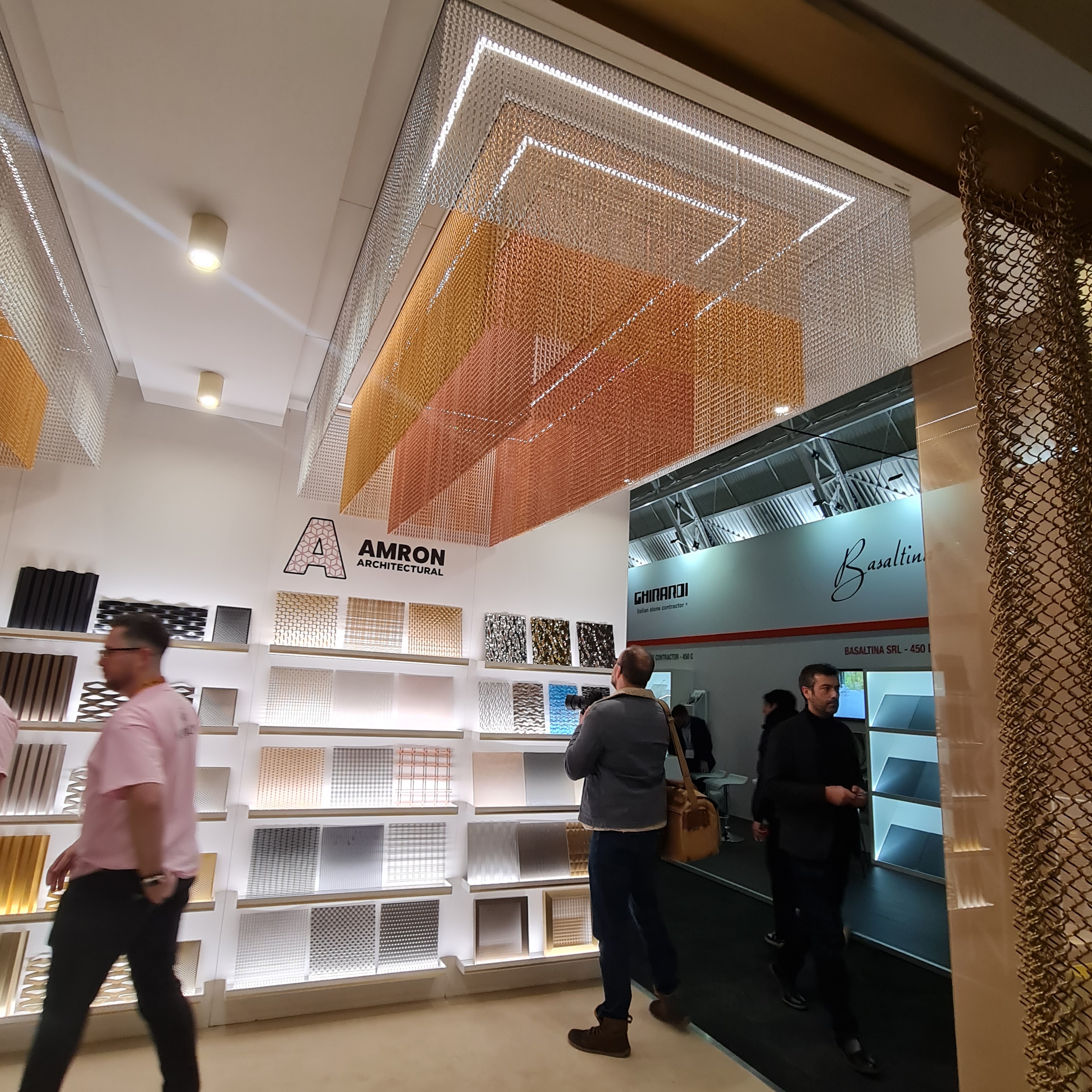
The sheer variety of materials on display was almost overwhelming—surfaces printed with intricate patterns, deep textures that begged to be run under fingertips, materials that mimicked others in ways that were both impressive and, at times, disappointing. As a student of spatial design, I was there to absorb, to look for inspiration, and to ask the question: What here could I use?
The Idea That Stuck
The answer, for me, came in the form of textured wall panels. I’ve been thinking a lot lately about wayfinding in healthcare spaces, particularly how those who are blind or partially sighted navigate environments. The tactile nature of these surfaces sparked an idea—why not integrate textures as directional guides? Instead of just visual signage, a surface itself could speak through touch. By the time I left the show, I wasn’t just considering existing materials—I was thinking about how I could prototype my own, something with texture built in, something that feels intentional rather than decorative.
Fake vs. Real: Where Do I Stand?
One of the biggest takeaways for me wasn’t just about what I could use—but what I didn’t want to. Do I like fake materials? The answer is no. Walking around the show, I found myself drawn to real materials—solid wood, unpolished stone, honest textures with depth and life. There’s a quality to natural materials that can’t be replicated, a weight, a presence. I understand that fake materials are often cheaper, sometimes more accessible, but to me, true sustainability isn’t about creating better imitations—it’s about using what is already real. Locally sourced, durable, designed to last. Not polymers, chemically treated composites, or thin veneers that are temporary in both function and meaning.
Where This Leads Me Next
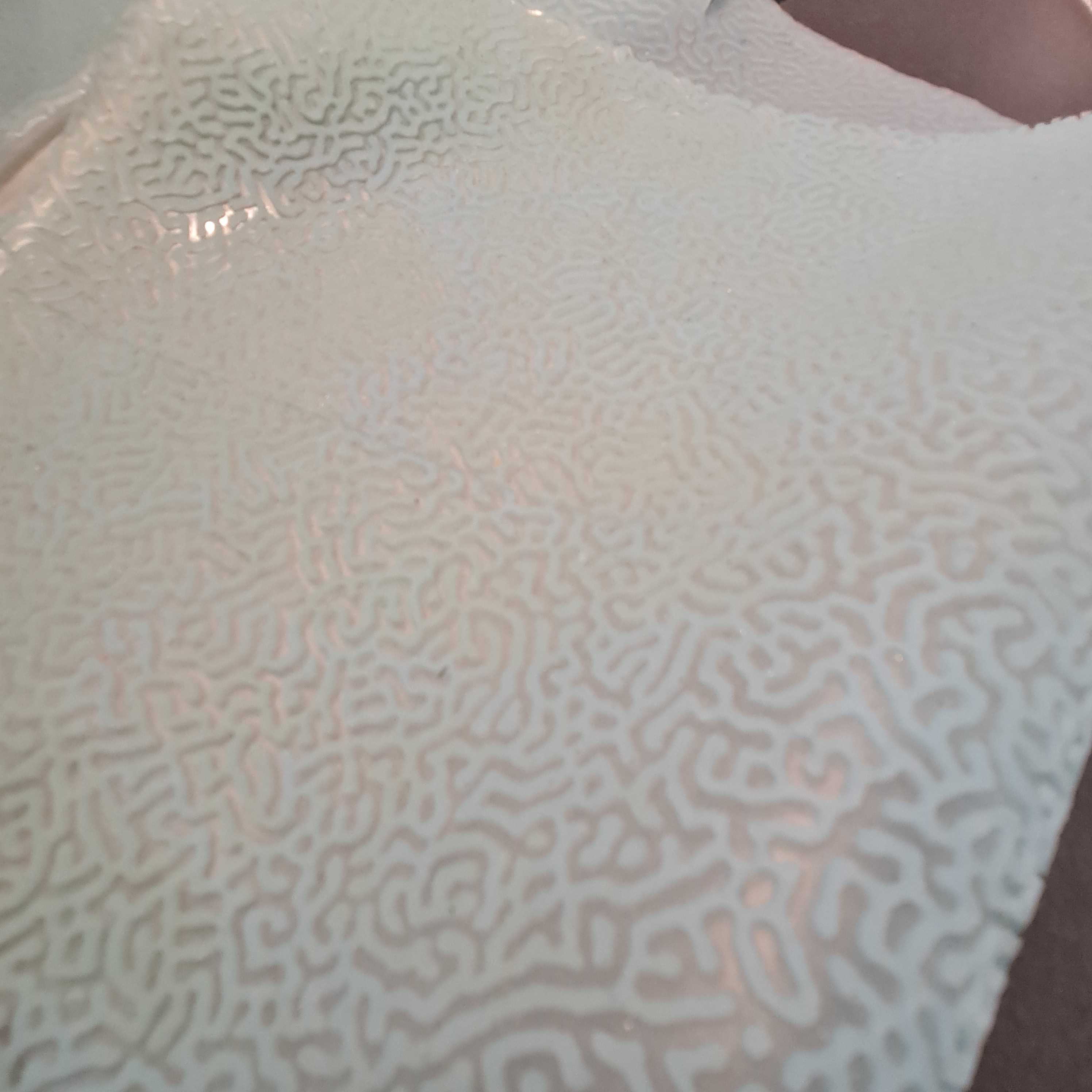
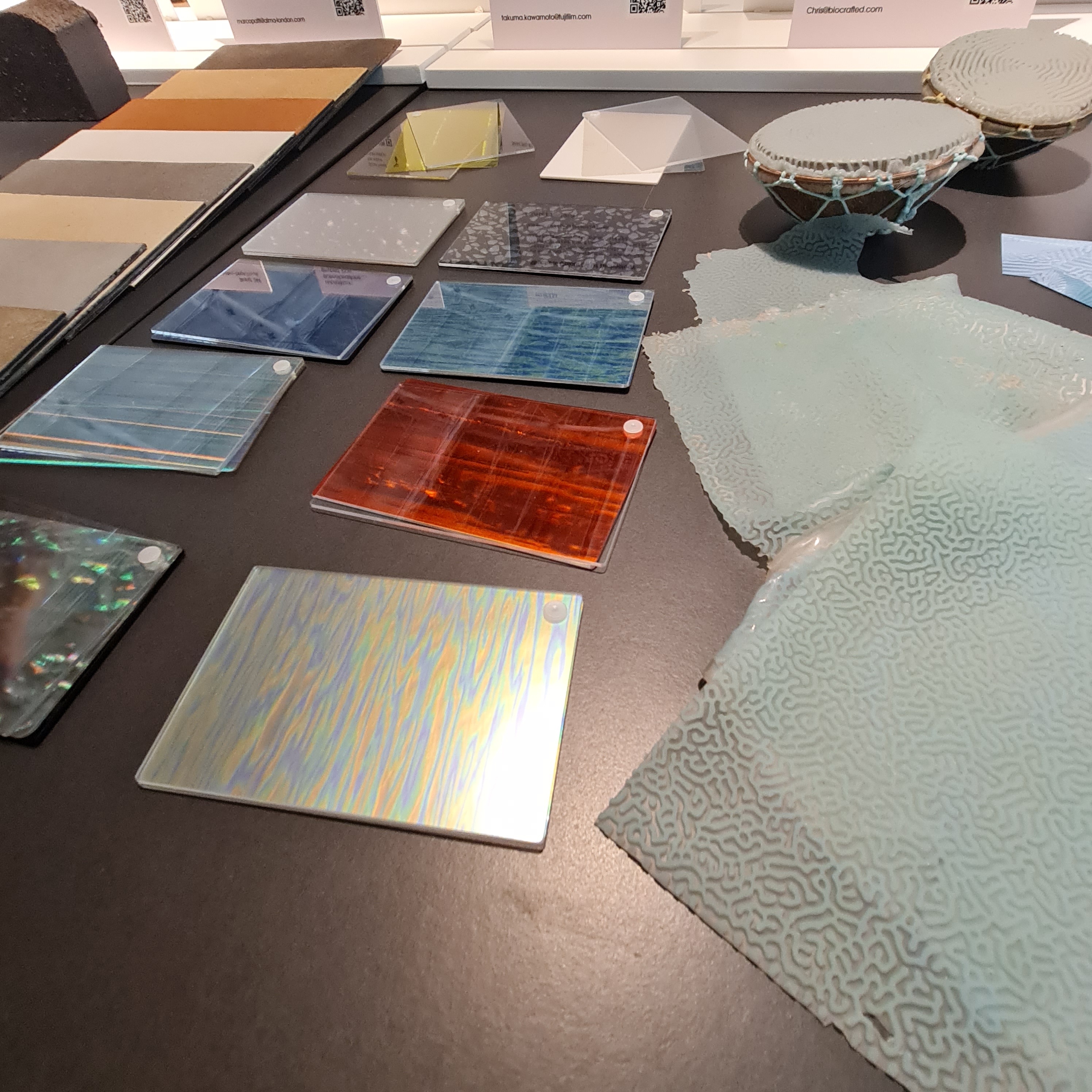
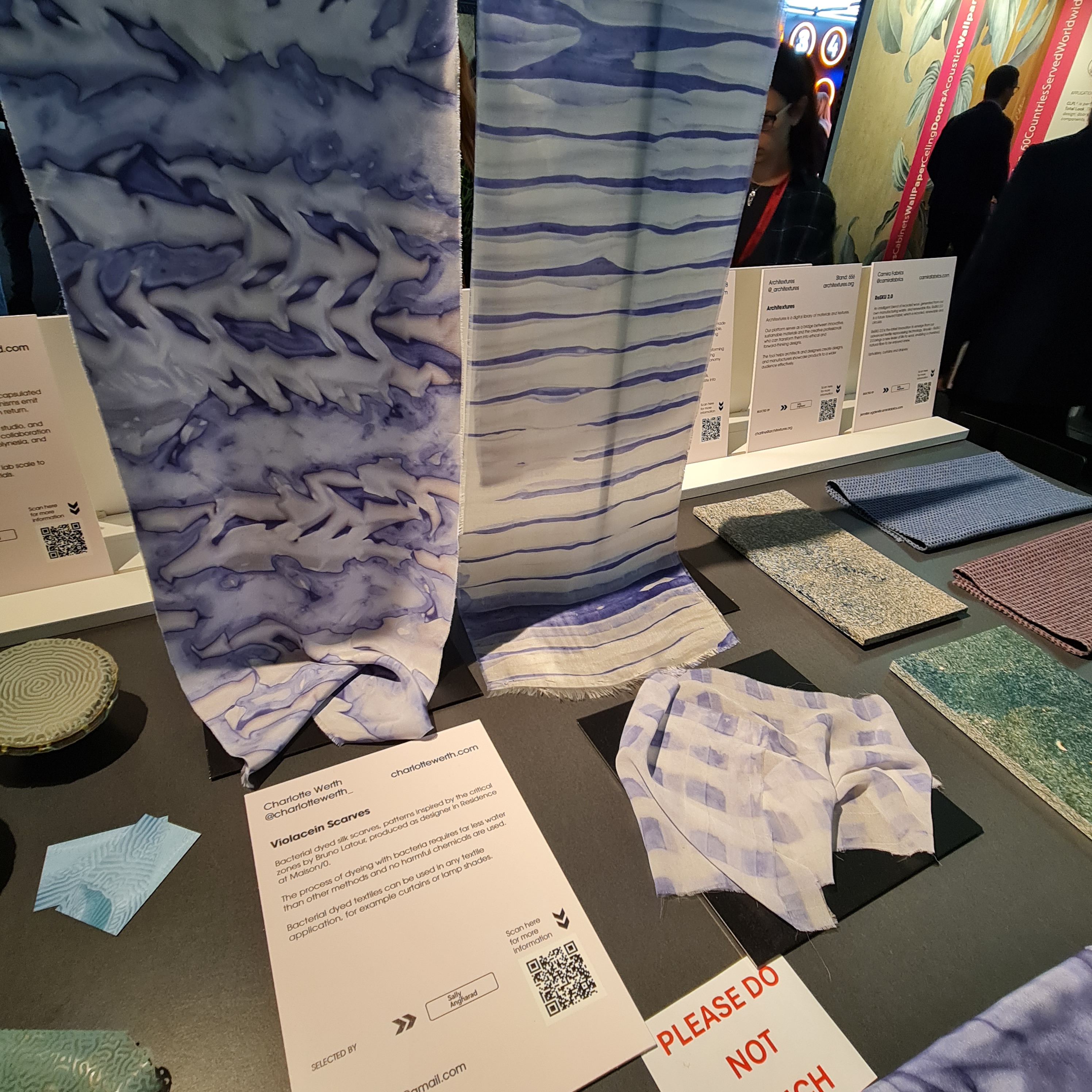
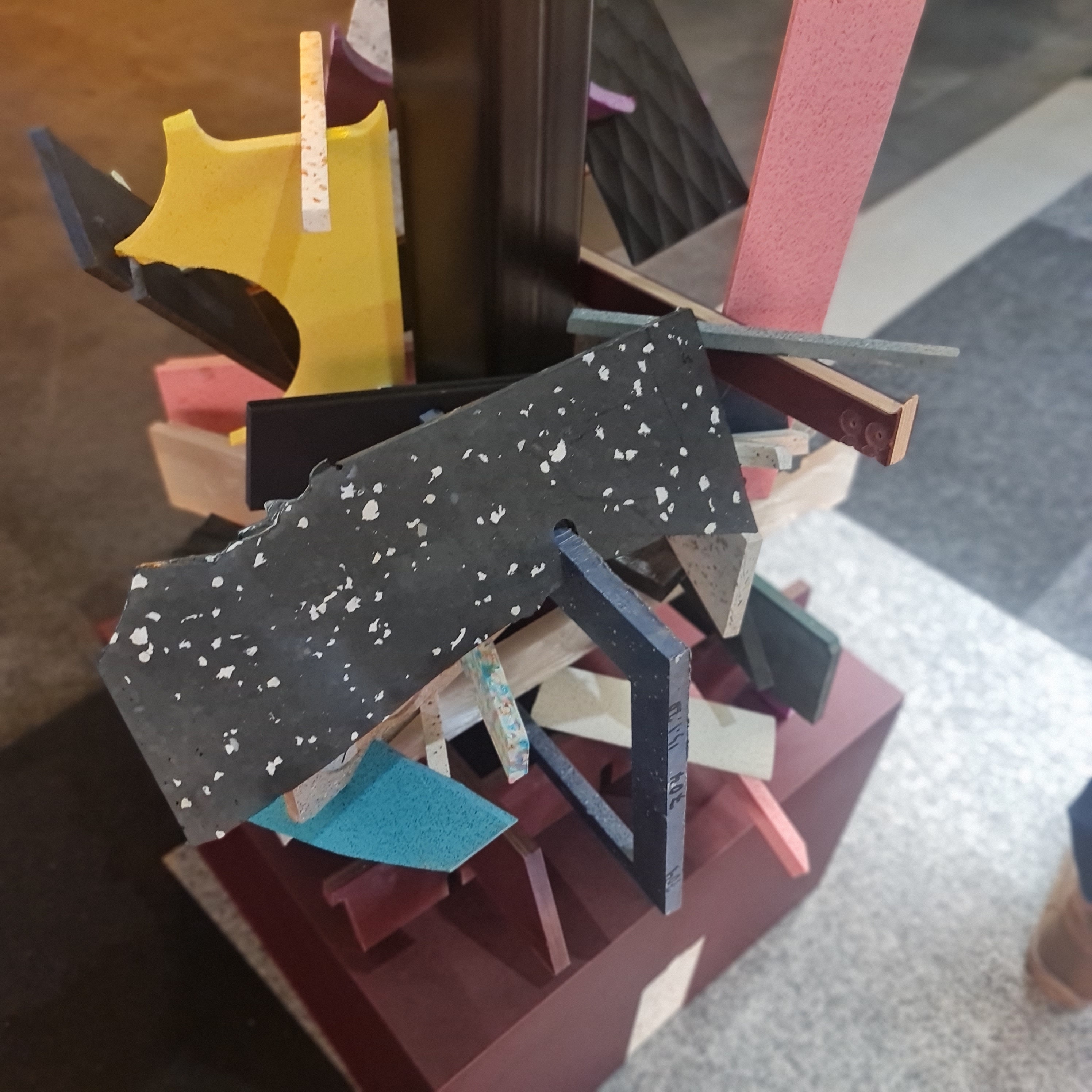
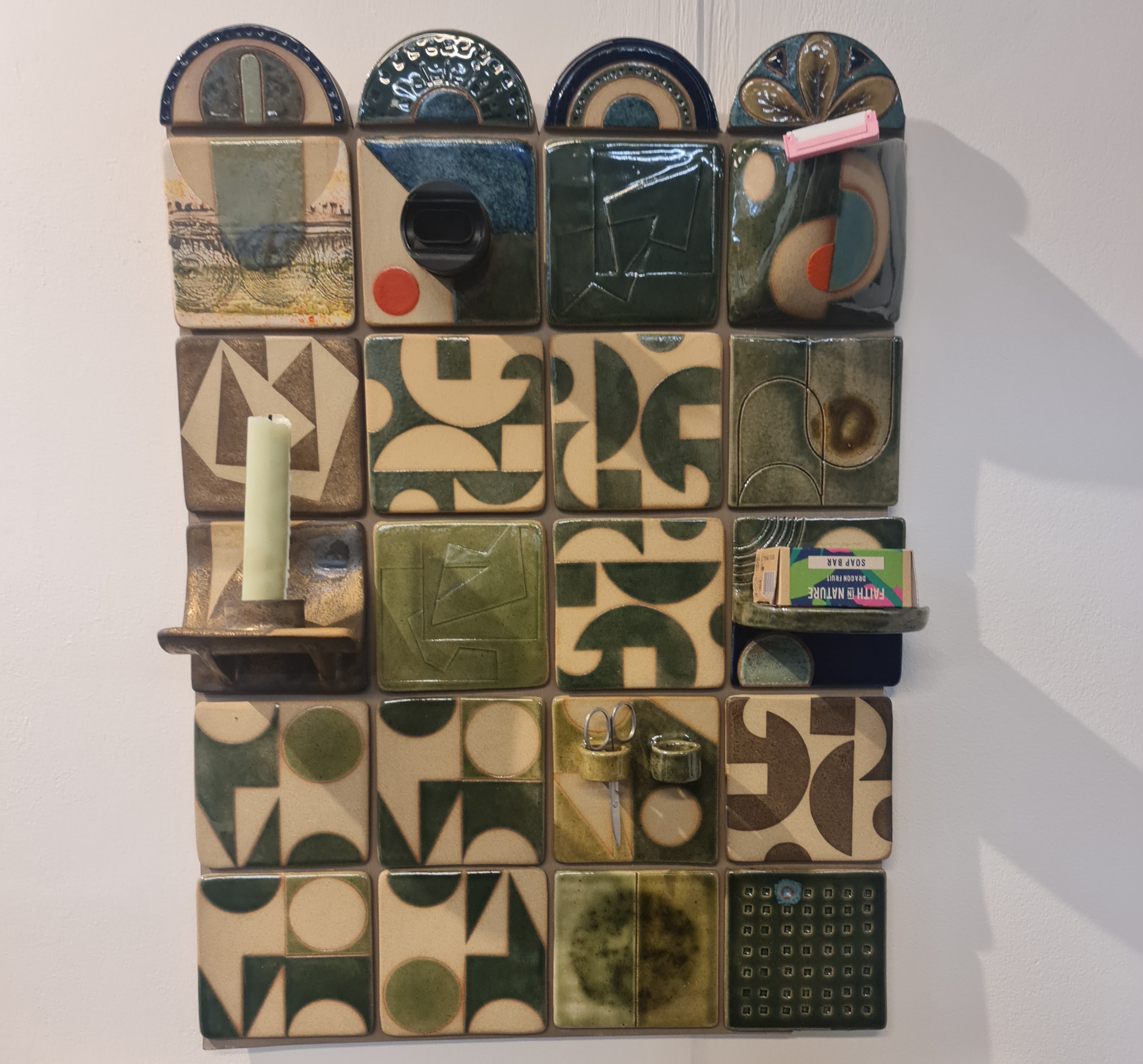
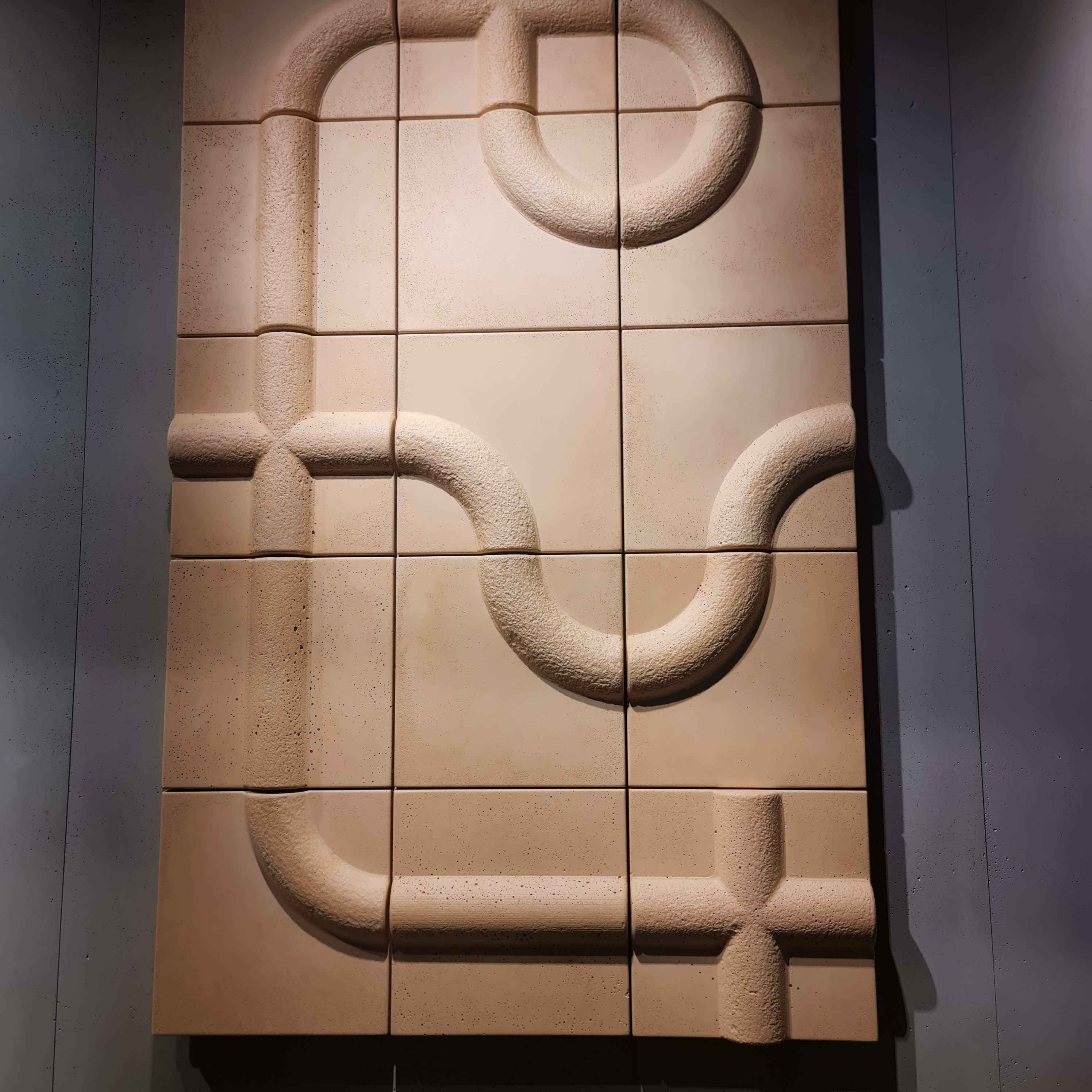
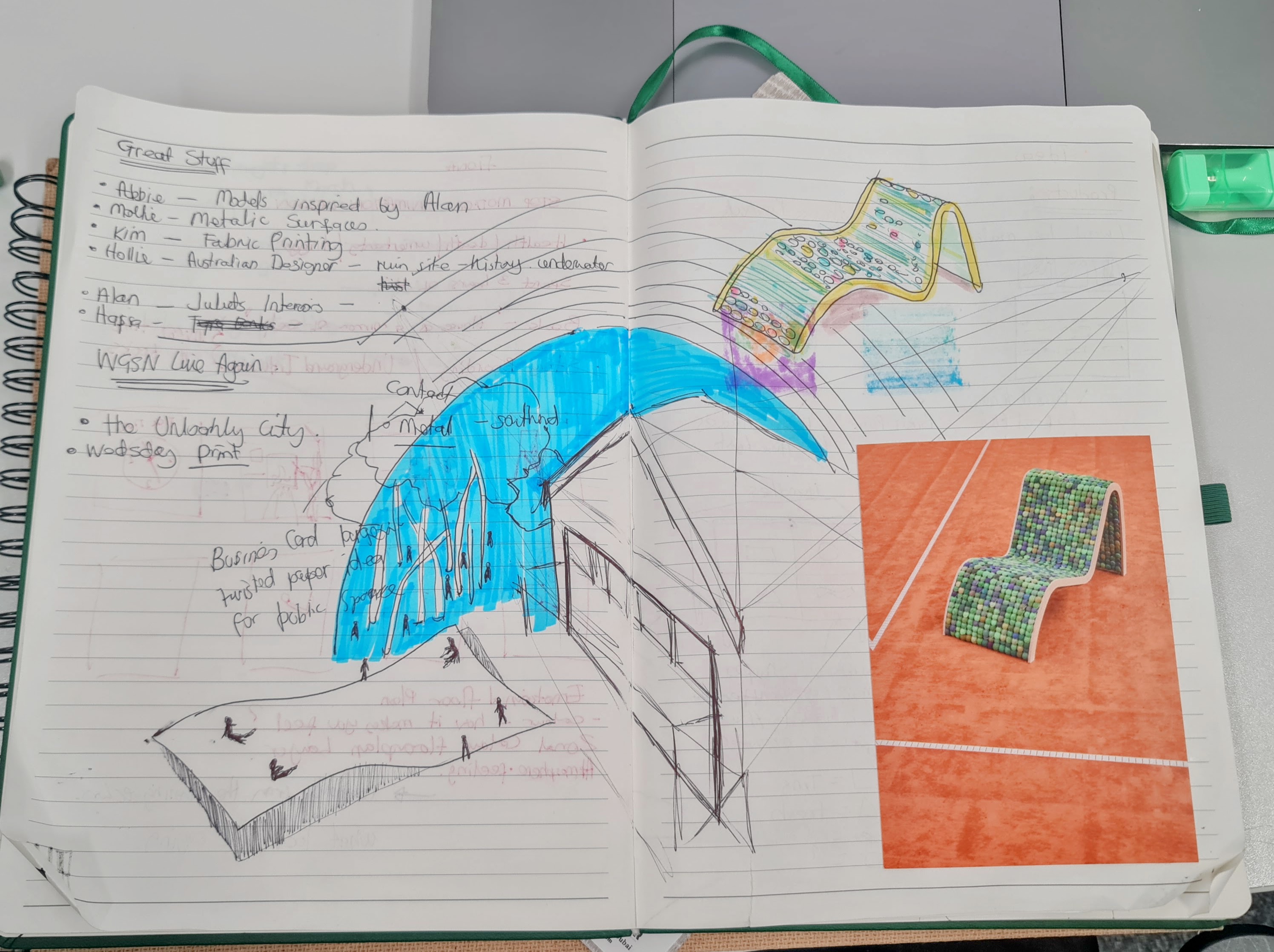
The show did something unexpected—it set me on a path to explore my own material development. I don’t just want to specify materials; I want to create them. Something bio-made, sustainable, and deeply connected to place. Something that could be used in future projects, not as an alternative to authenticity, but as an extension of it.
I went to the Surface Design Show looking for materials, but I came away with ideas, convictions, and a challenge to myself. To not just consume design, but to create something new, something meaningful. And that, for me, is what design should always be about.
MJ
 Michael Joseph
Leave a comment