Philip Wallace’s Apartment
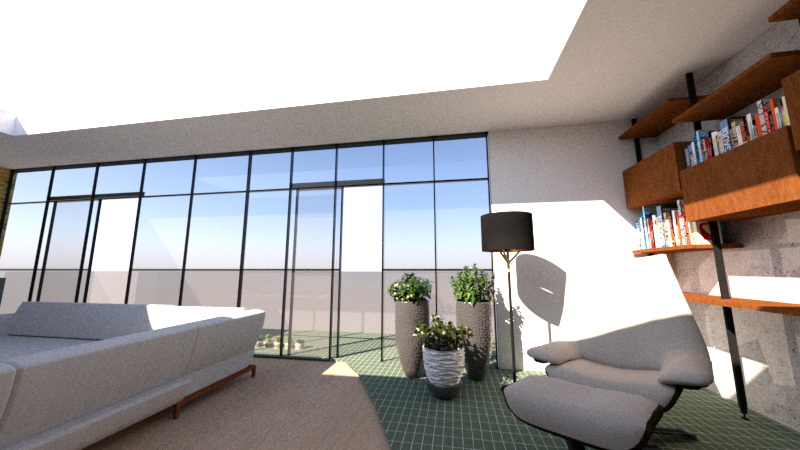
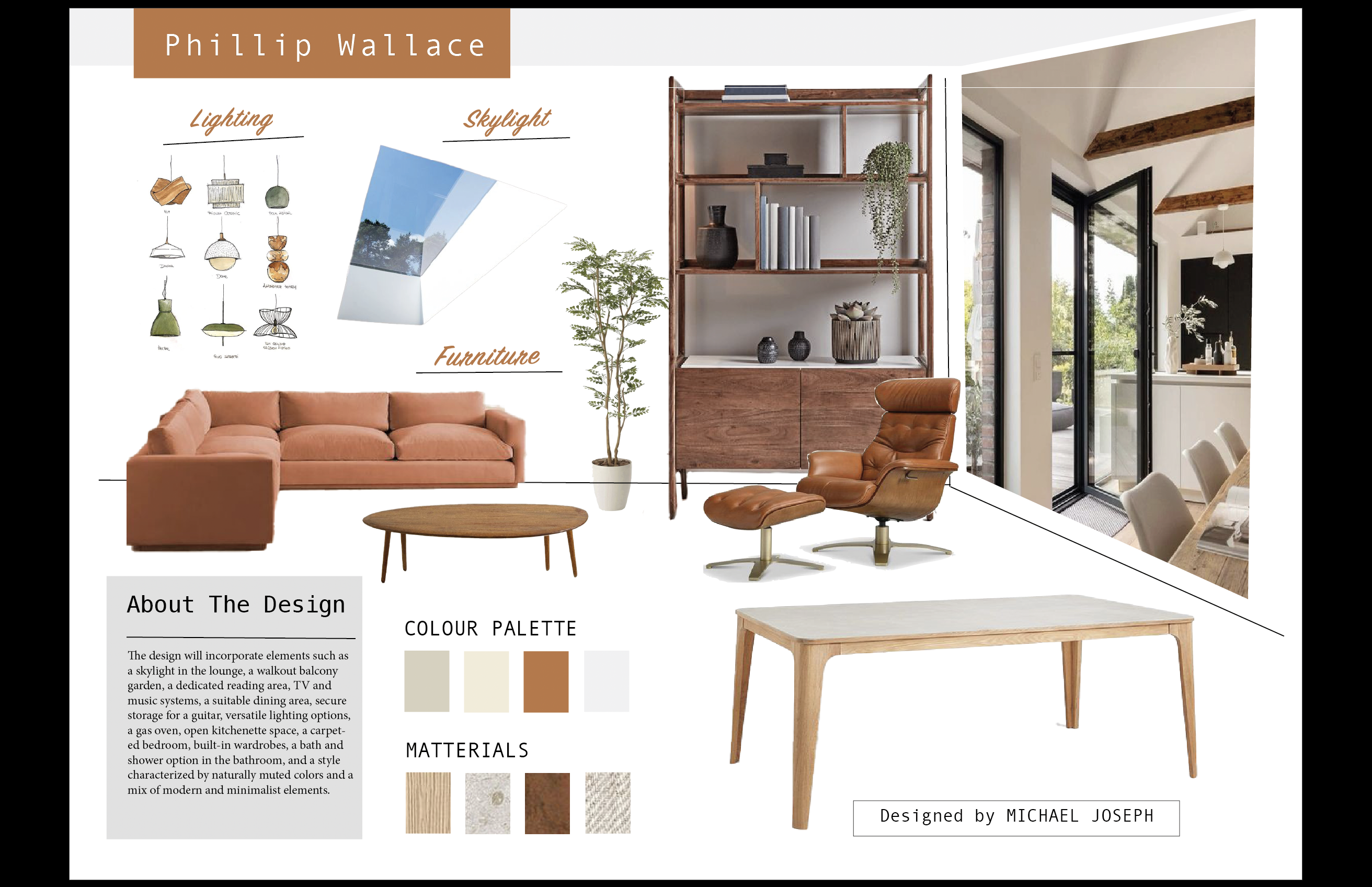
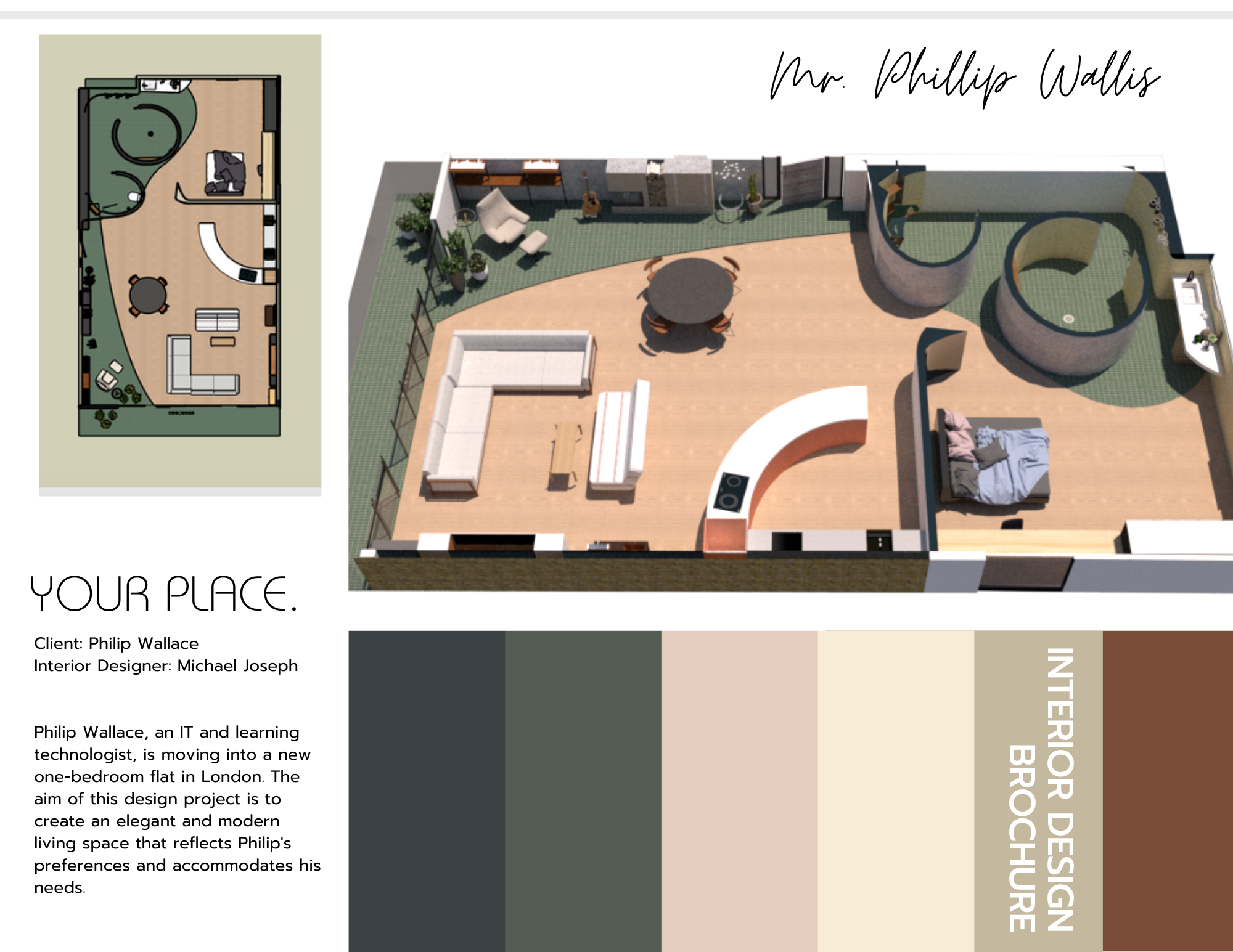
My first project at university involved redesigning a one bedroom apartment for Philip Wallace, a single man who deeply appreciates natural light and is open to new ideas. By listening to his needs, I created a space that feels expansive and fluid, moving away from rigid enclosures. The bathroom emerged as a sculptural feature, open and seamlessly integrated into the layout, effectively dissolving the usual boundaries of small space living. This project allowed me to explore spatial planning in depth, examining how light, form, and movement can transform not only a room but also the way someone experiences home.
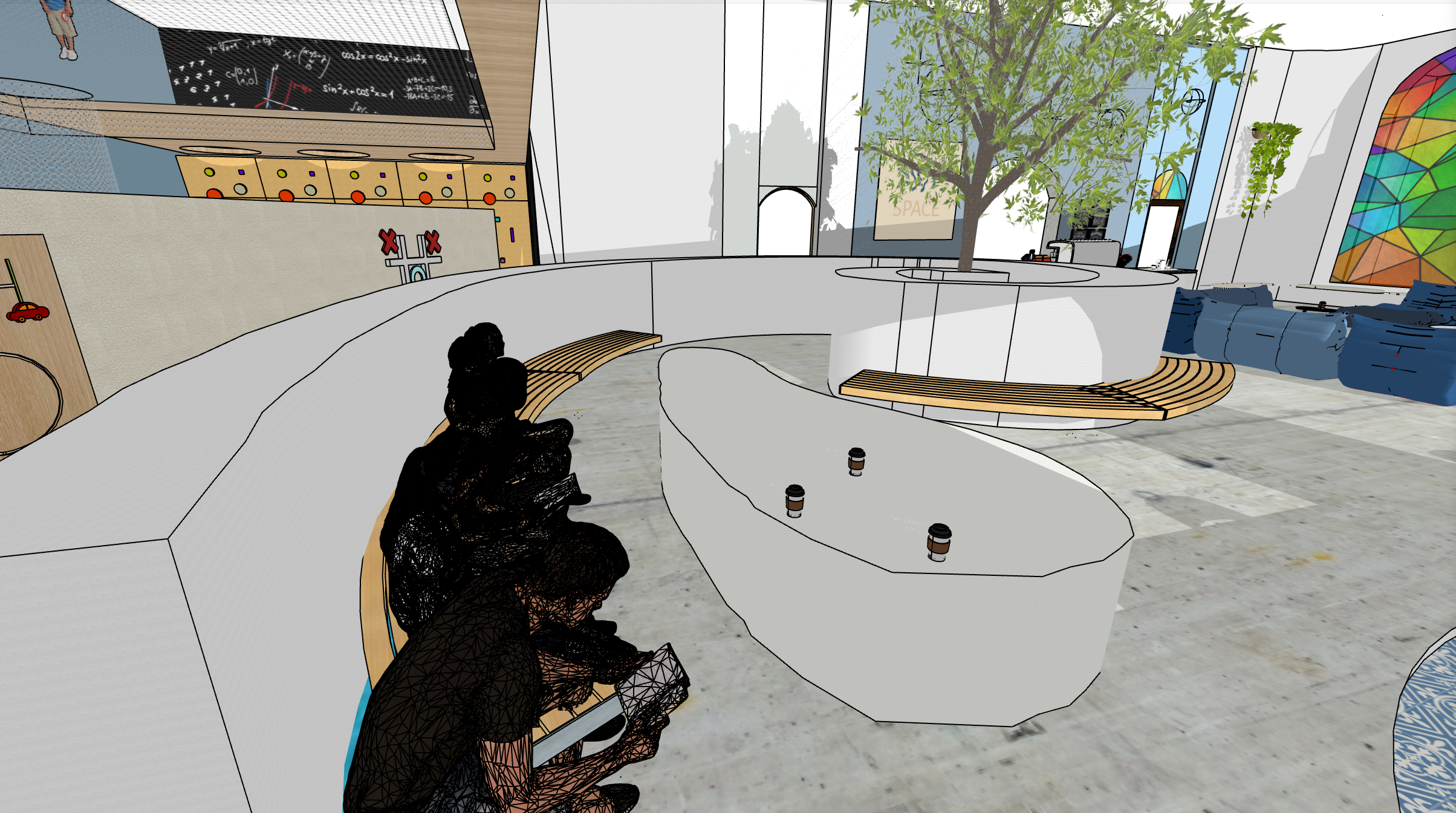
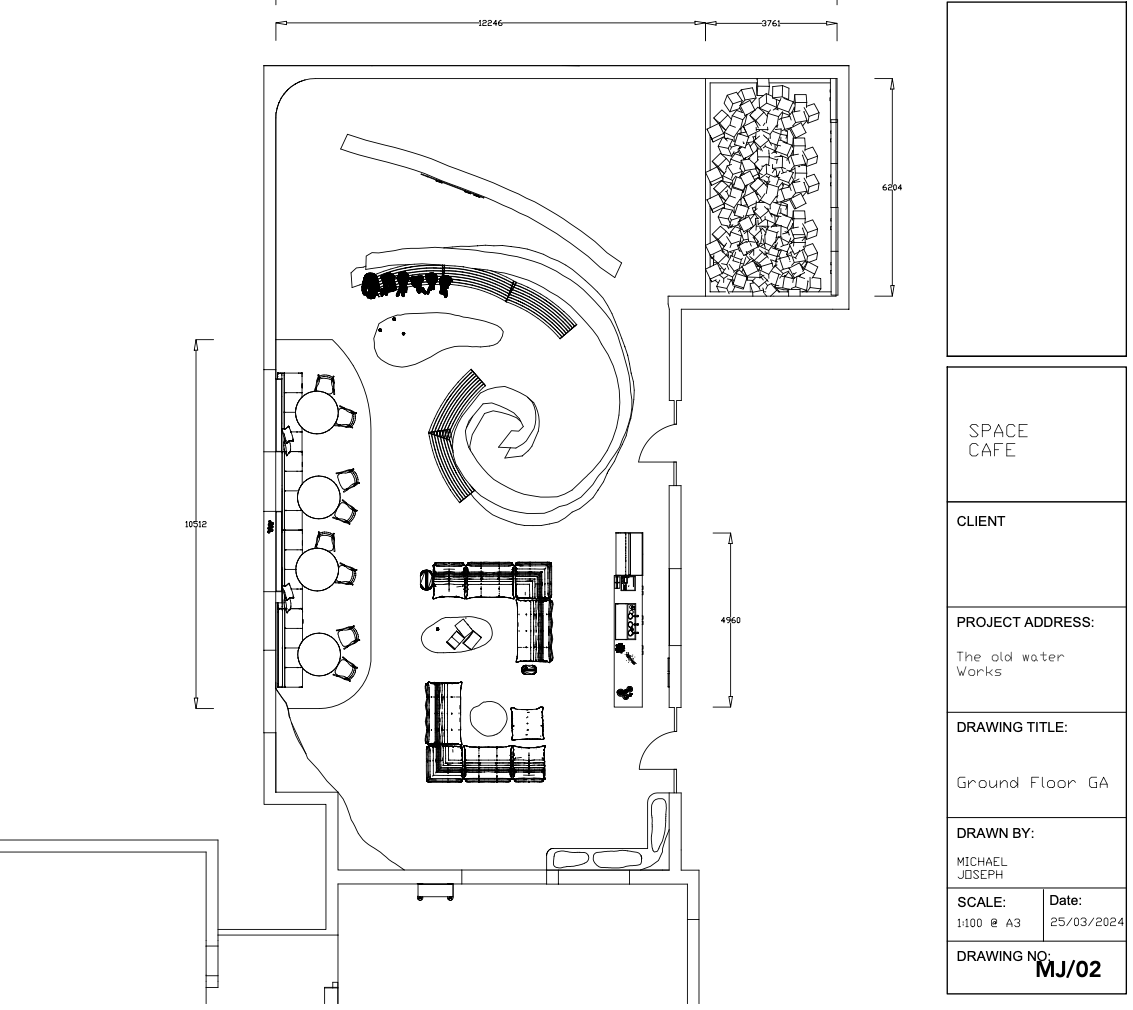
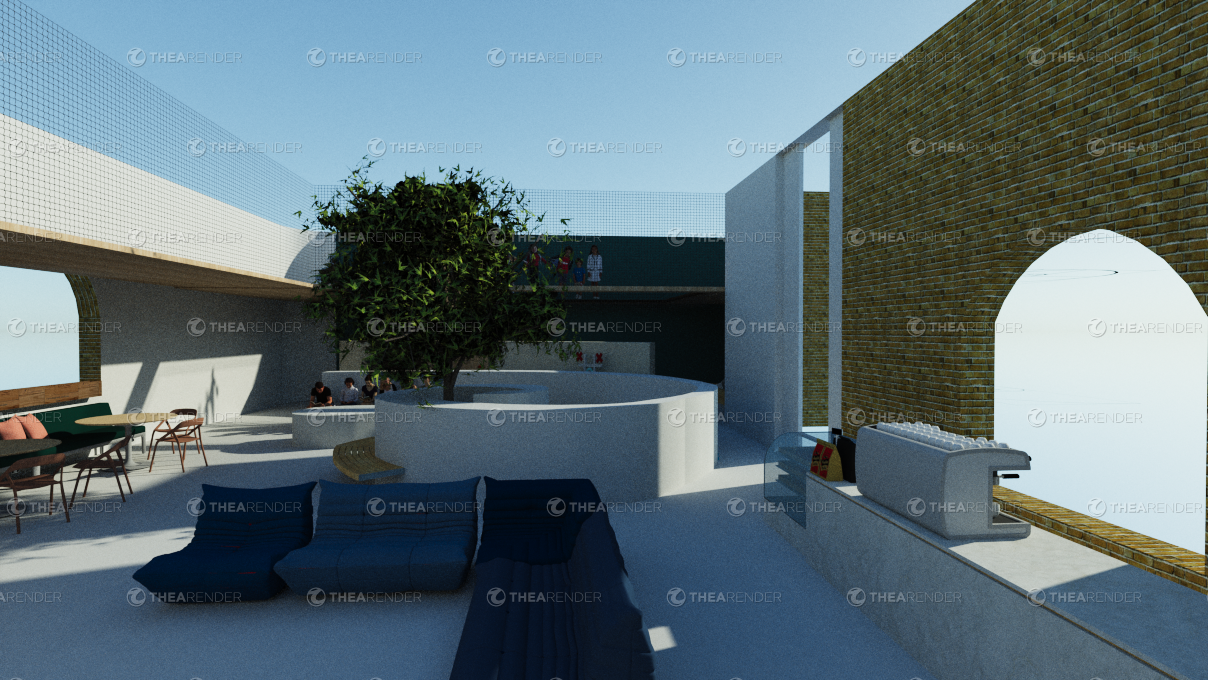
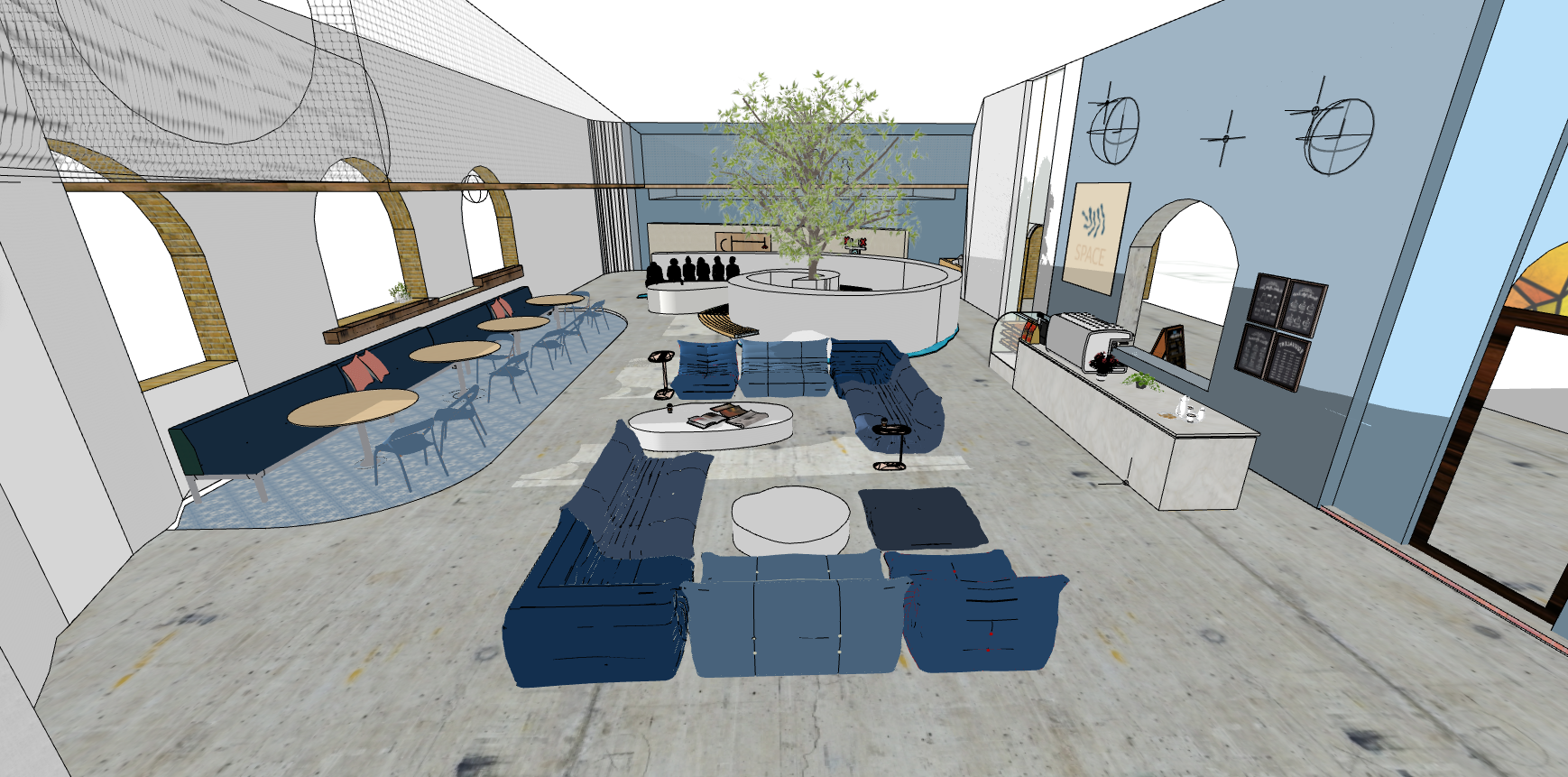
Space Café – A Space to Climb, Play, and Flow
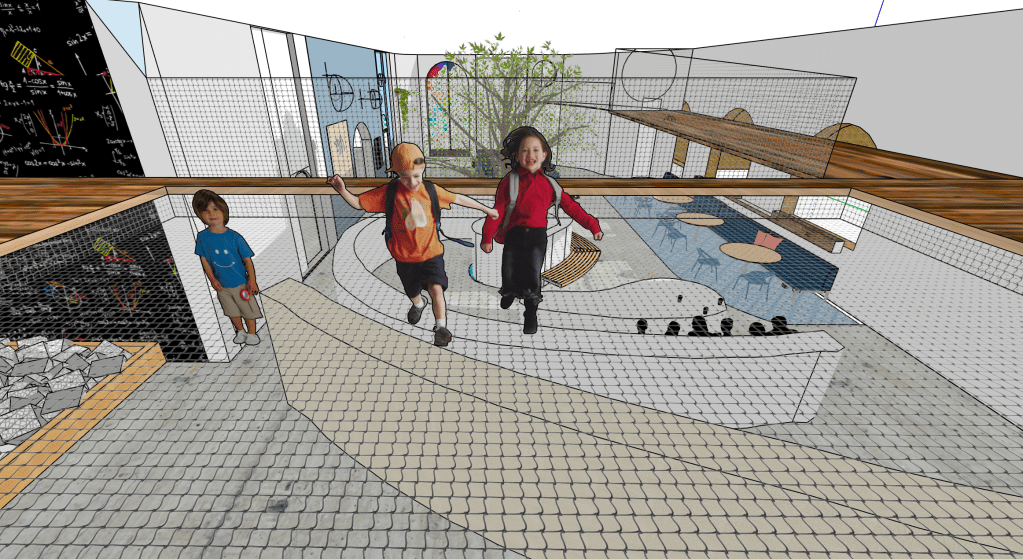
This project challenged us to redefine the function of an existing space, pushing beyond conventional expectations. I transformed a traditional café into an environment that embraced both stillness and movement, breaking the usual divide between sitting and interacting. Downstairs, we created a sanctuary for pause where coffee, conversation, and calm took center stage. Upstairs, however, is a space designed for climbing, jumping, and exploring—a landscape of movement where both children and adults can engage with the space physically rather than just visually. The architecture itself became part of the experience, with worn interactive elements inviting hands to grip, feet to explore, and bodies to move. The space encouraged play as a natural part of life rather than something confined to childhood. At the heart of it all is a spiraling water feature inspired by the golden ratio, which serves as a grounding focal point and a rhythm that brings the entire space into harmony. More than just a café, this is a place to be, move, and experience.
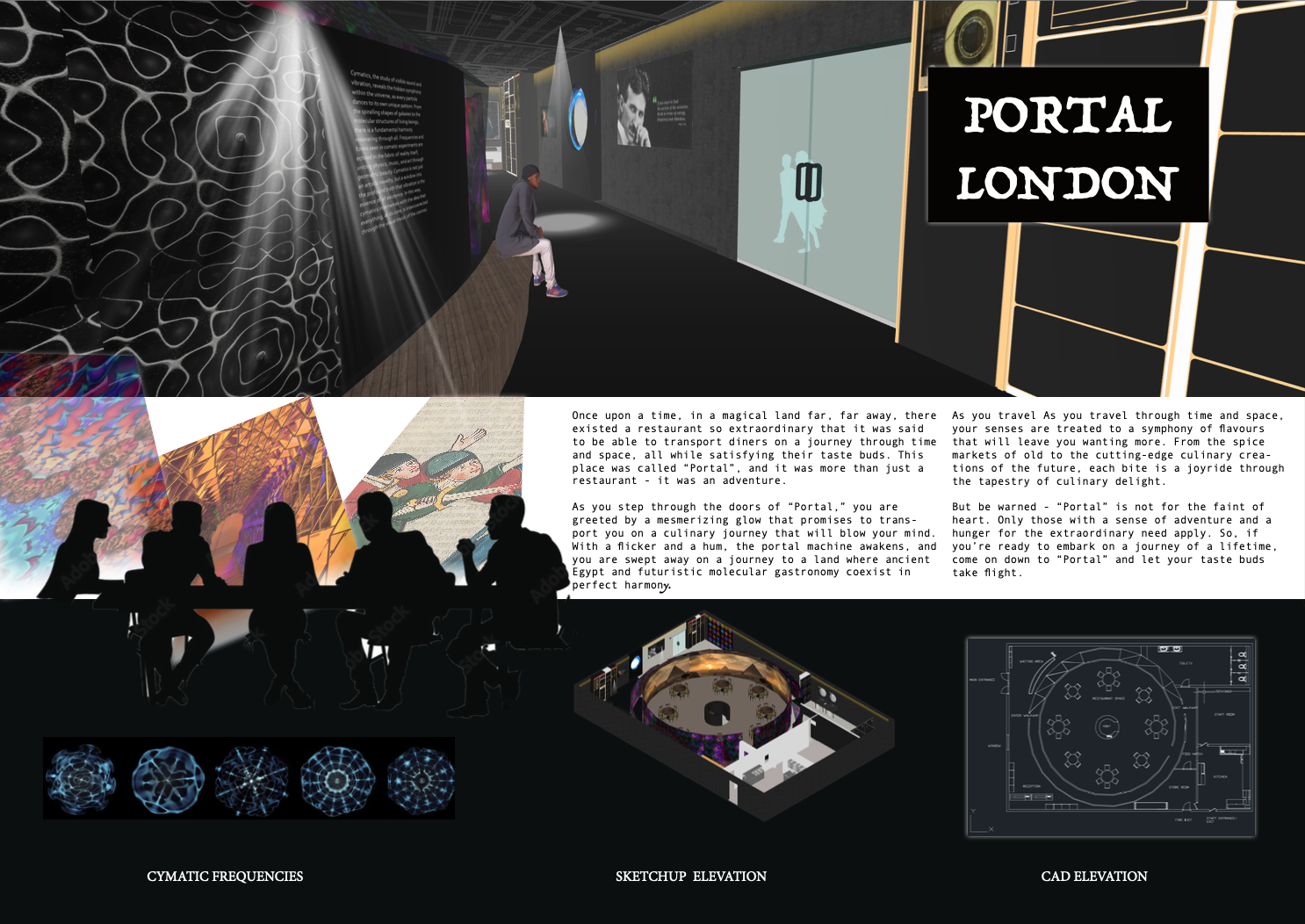
Portal – A Restaurant Beyond Time and Space
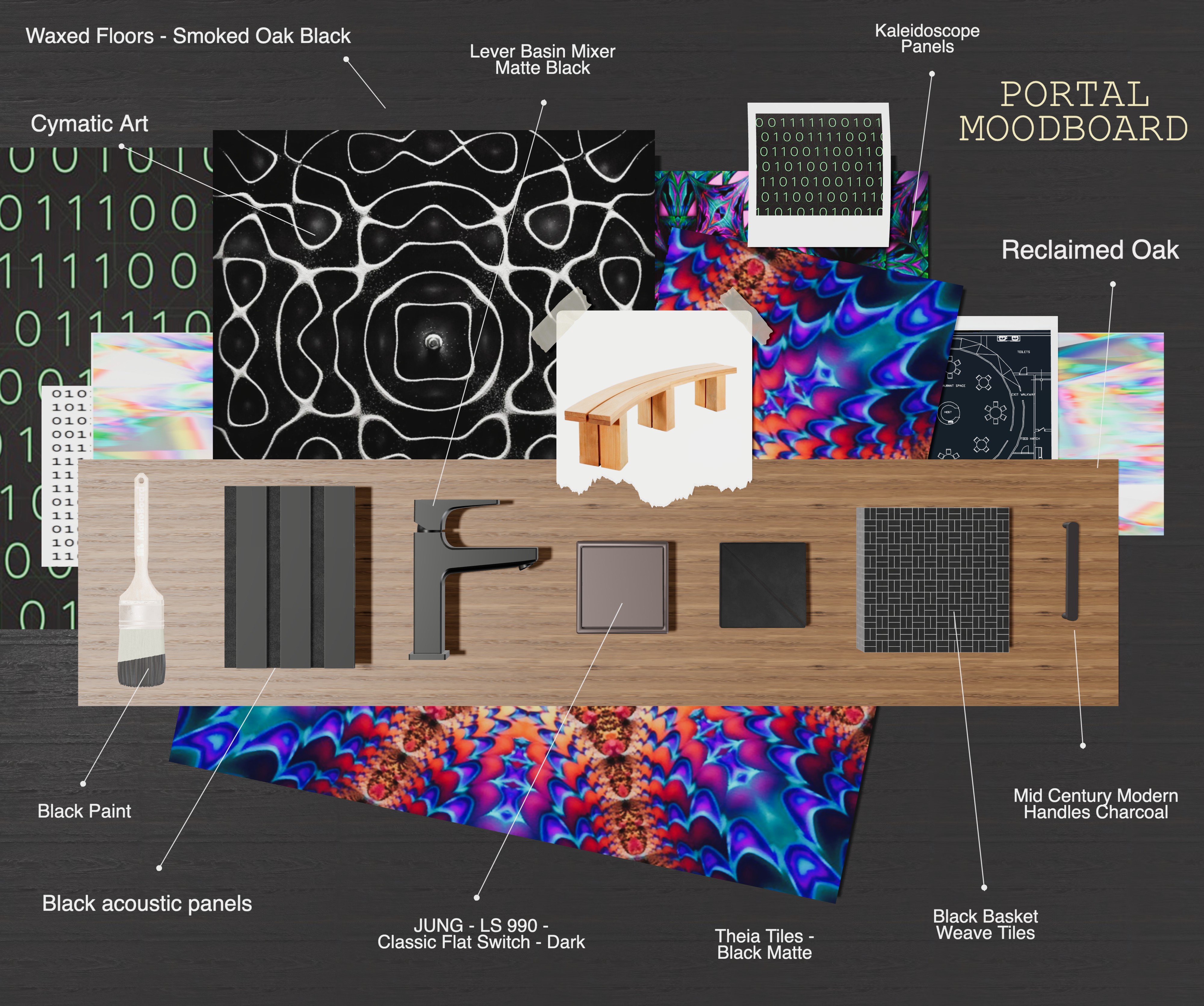
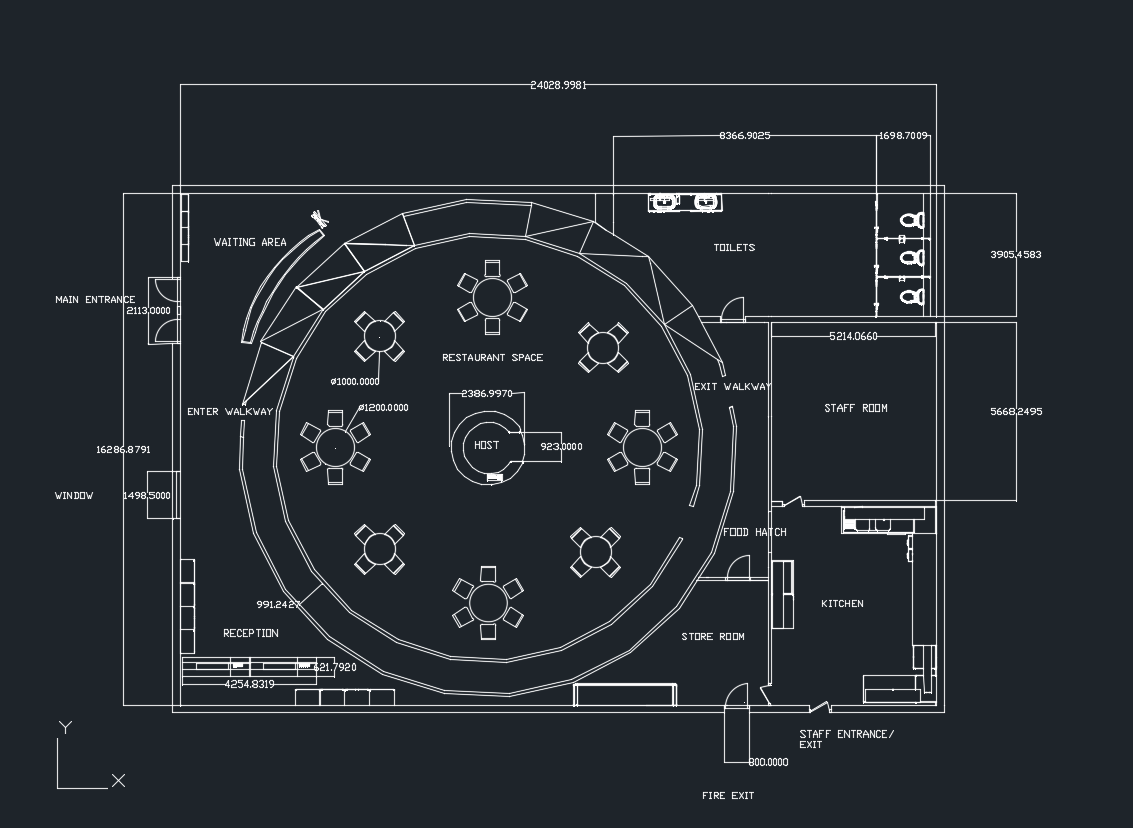
For this project, we were challenged to find a location in London and design a restaurant that offered a unique immersive experience. I aimed to go beyond the traditional concept of dining and create a space that transcended time and geography, a restaurant that not only served food but also transported guests through history, culture, and unseen dimensions
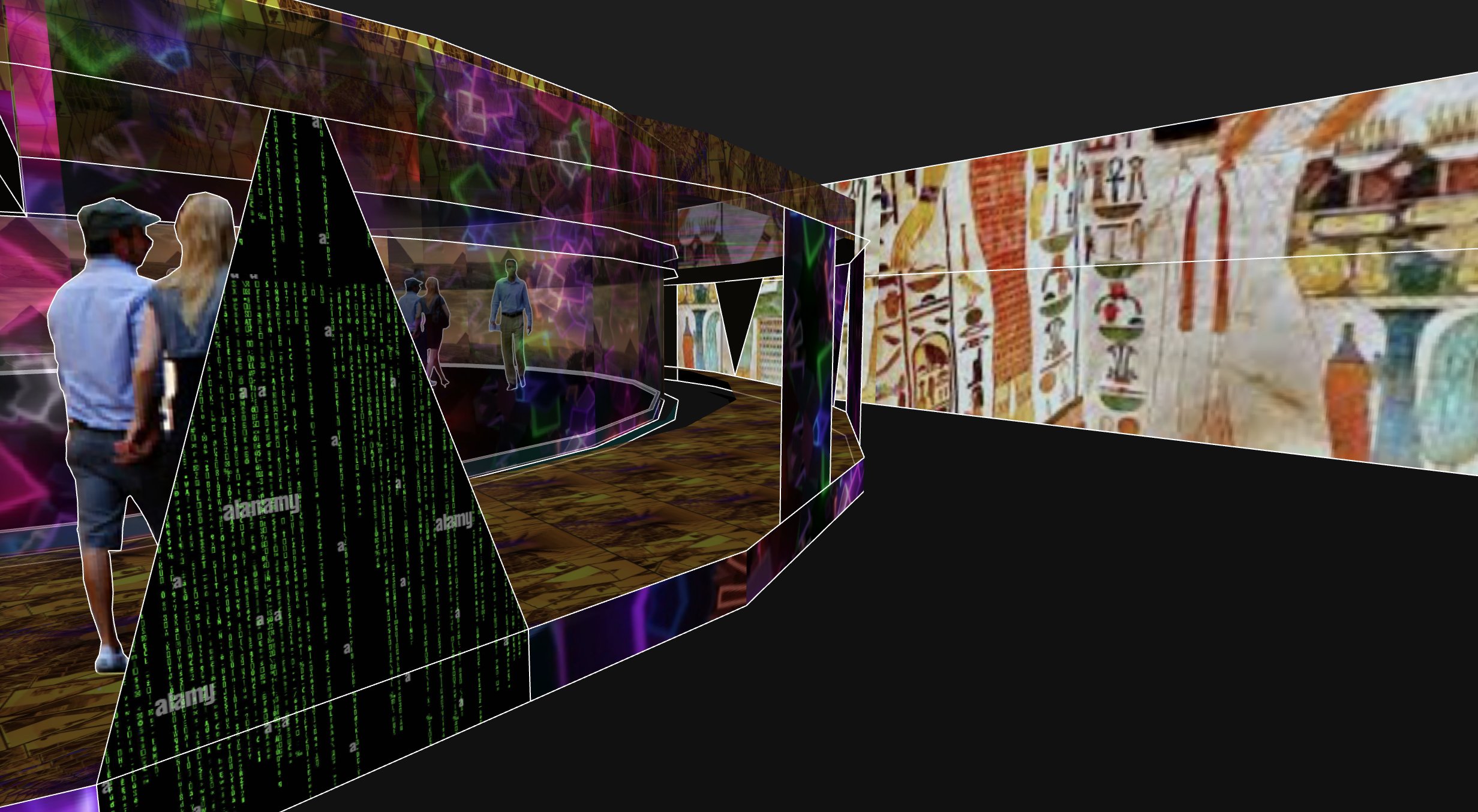
Portal became precisely that, a sensory gateway where cinematic frequencies, ambient color shifts, and resonant soundscapes dissolved physical walls, pulling diners into different eras and places. AI-driven screens enveloped the space in ever-changing atmospheres, one moment featuring an opulent 18th-century Parisian banquet, and the next, the electric hum of a futuristic Tokyo izakaya. The environment itself was dynamic, shifting in real time to alter textures, lighting, and even the perceived weight of the air, creating a fully immersive experience that blurred the lines between reality and illusion.
This concept went beyond merely eating; it was about stepping into the unknown, feeling history pulse through the space, and surrendering to the journey. It was a restaurant where the past, present, and future converged, where every meal became a story, and each visit redefined the rules of dining.
 Michael Joseph